How AI Agent Memory Works
Learn how modern AI agents use short-term context, episodic reflection, and long-term semantic memory to remember you and improve over time.

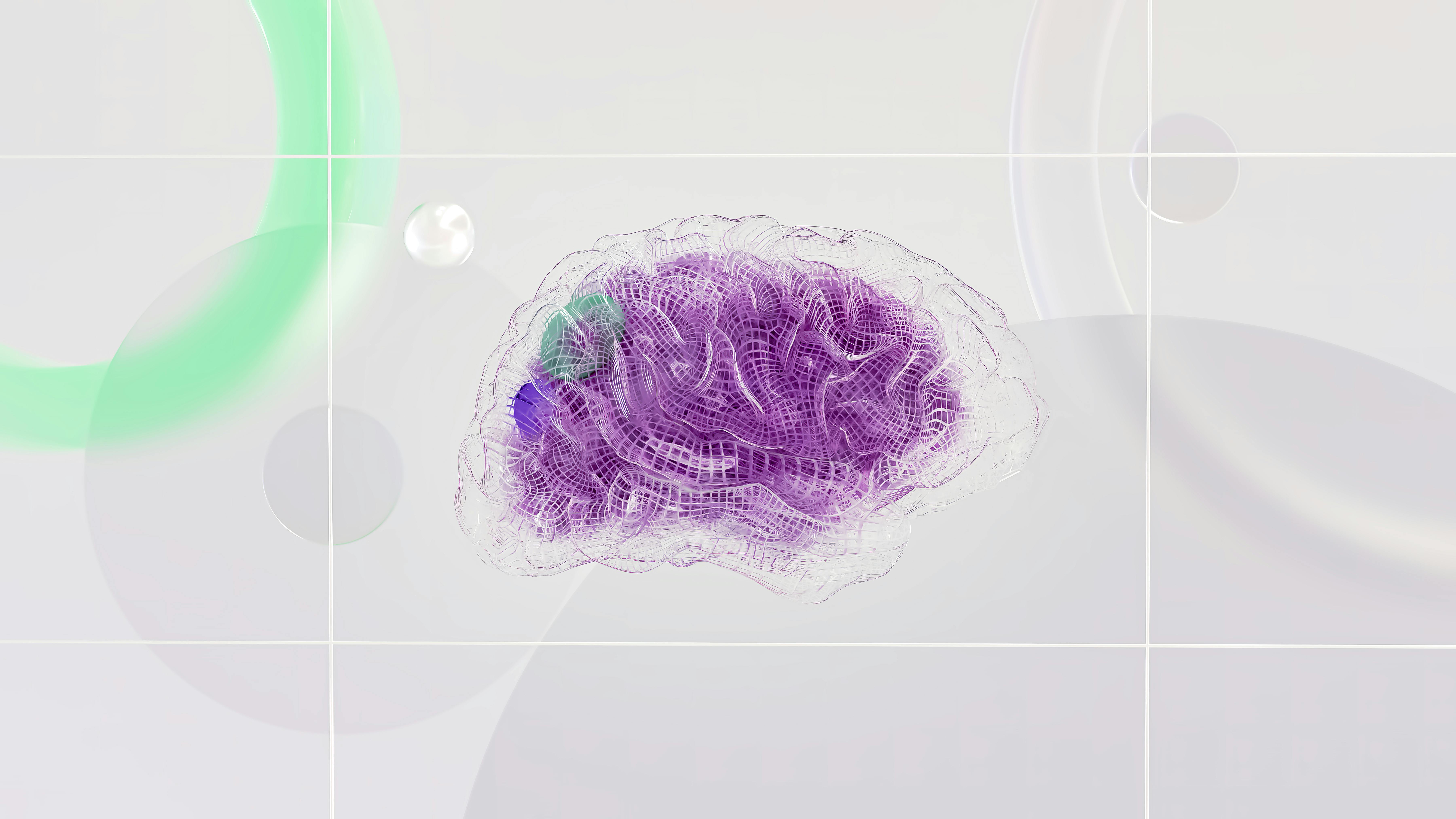
If you used early AI chatbots, you likely experienced the "Goldfish Effect." You would spend twenty minutes explaining a complex problem, and the moment you started a new chat session, the AI forgot everything. It was like hiring a new intern every single morning.
Today's autonomous AI agents do not have this problem. They can remember your preferences from three months ago, recall how they solved a similar coding bug last week, and continuously adapt to your company's workflows.
But an AI does not have a human brain. So, how exactly does it "remember" things?
In modern AI architecture, memory is no longer just about pasting massive amounts of text into a prompt. Instead, developers use a multi-tiered system that mimics human cognitive memory.
The Three Tiers of AI Memory
If you ask a well-designed AI agent to plan a marketing campaign, it relies on three distinct types of memory to get the job done.
1. Short-Term Memory (The Context Window)
Short-term memory is the agent's immediate workspace, often called the context window.
Just like human short-term memory, it is fast but very limited in size. It holds the immediate back-and-forth conversation, the specific instructions you just gave it, and the temporary output of any tools it just used (like the contents of a single webpage).
If the agent fills up its short-term memory with too much text, it struggles to "reason" and becomes more prone to hallucination. Because of this, modern agents are programmed to constantly summarize and clear out this space, moving important facts into long-term storage.
2. Episodic Memory (The Journal)
Episodic memory allows an agent to remember specific past events, step-by-step.
Imagine you previously asked an agent to book a flight for you, and it encountered an error because your credit card was expired. The agent solved it by messaging you for a new card.
The agent records this entire sequence—the goal, the error, and the solution—in a database. If it encounters a similar booking error in the future, it searches its episodic memory. It "reflects" on the past event, realizes how it solved the problem last time, and immediately asks you for a new card without panicking or breaking.
3. Semantic Memory (The Fact Book)
Semantic memory is the agent's long-term storage for hard facts, rules, and user preferences.
This is where the agent stores statements like: "The user prefers Python code," or "The marketing budget is never allowed to exceed $5,000."
This information is typically stored in sophisticated systems called vector databases and knowledge graphs. These databases allow the agent to instantly retrieve highly relevant facts the moment you ask a related question, even if you told the agent that fact a year ago.
How Agents Manage Their Own Memory
The biggest breakthrough in 2026 is that AI agents now act as active memory managers.
In older systems, developers had to write rigid code to dictate what the AI was allowed to remember. Today, advanced agents possess "agentic judgment." They independently decide what is important enough to save.
When a conversation ends, the agent automatically reviews the transcript. It might realize, "The user mentioned they are moving to London next month. I should save that to my semantic memory."
Even more importantly, agents are now designed to forget. If you tell an agent in January that you are using React, and then tell it in June that you have switched to Vue.js, the agent will reason about its own memory and overwrite the old fact. This prevents "memory pollution," ensuring the AI does not get confused by outdated information.
Curious how agents connect to databases?
Read our guide to MCP to understand how AI models securely pull information from external storage systems.
Why AI Memory Matters
Without these memory layers, an AI is effectively "stateless." It requires constant, exhausting re-onboarding every time you want it to perform a task.
By utilizing short-term, episodic, and semantic memory layers, an AI agent transforms from a simple chatbot into a persistent digital coworker—one that learns from its mistakes, adapts to your personal style, and actually gets smarter the longer you work with it.