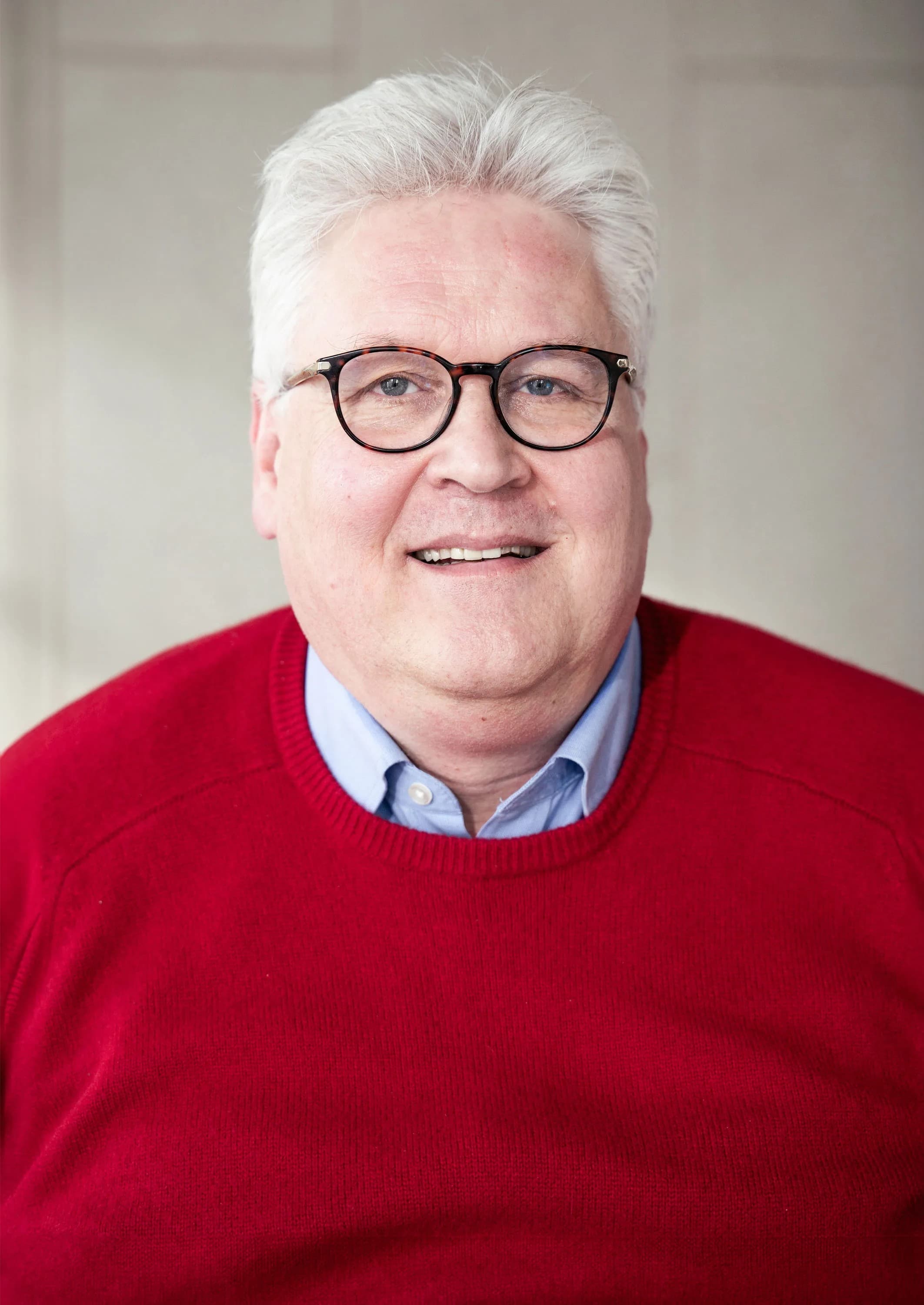
Sepp Hochreiter
Professor and Head of the Institute for Machine Learning, Johannes Kepler University Linz
A researcher in sequence learning and memory systems, best known for co-developing long short-term memory.
Biography
Sepp Hochreiter is an Austrian computer scientist whose research has focused on machine learning and neural networks. He studied at the Technical University of Munich and completed doctoral work there. His early investigations examined why some neural networks struggled to learn dependencies extending over long intervals in a sequence.
With Jürgen Schmidhuber, Hochreiter introduced long short-term memory in 1997. The architecture used a structured memory mechanism to support learning over longer ranges. LSTM became an important component in systems processing speech, language, and other sequential data, and it remains a major reference point in the history of neural-network research.
Hochreiter has built a research program at Johannes Kepler University Linz, where he leads the Institute for Machine Learning. His work spans theoretical and practical questions, including biological applications and ways to store and retrieve information. Research on modern Hopfield networks extended ideas about associative memory into contemporary neural architectures.
His contribution includes both influential methods and the academic setting in which further research is conducted. Sequence learning and associative memory address different but related questions about retaining useful information and retrieving it when needed. Hochreiter's career demonstrates how an early investigation of training difficulties can develop into methods that become widely used and into a broader program studying the foundations of learning systems.
Notable contributions
Co-developed long short-term memory
Introduced LSTM with Jürgen Schmidhuber to address long-range learning in recurrent networks.
Co-authored modern Hopfield-network research
Connected associative-memory models with contemporary neural-network methods.
Built the JKU machine-learning research program
Leads the Institute for Machine Learning at Johannes Kepler University Linz.