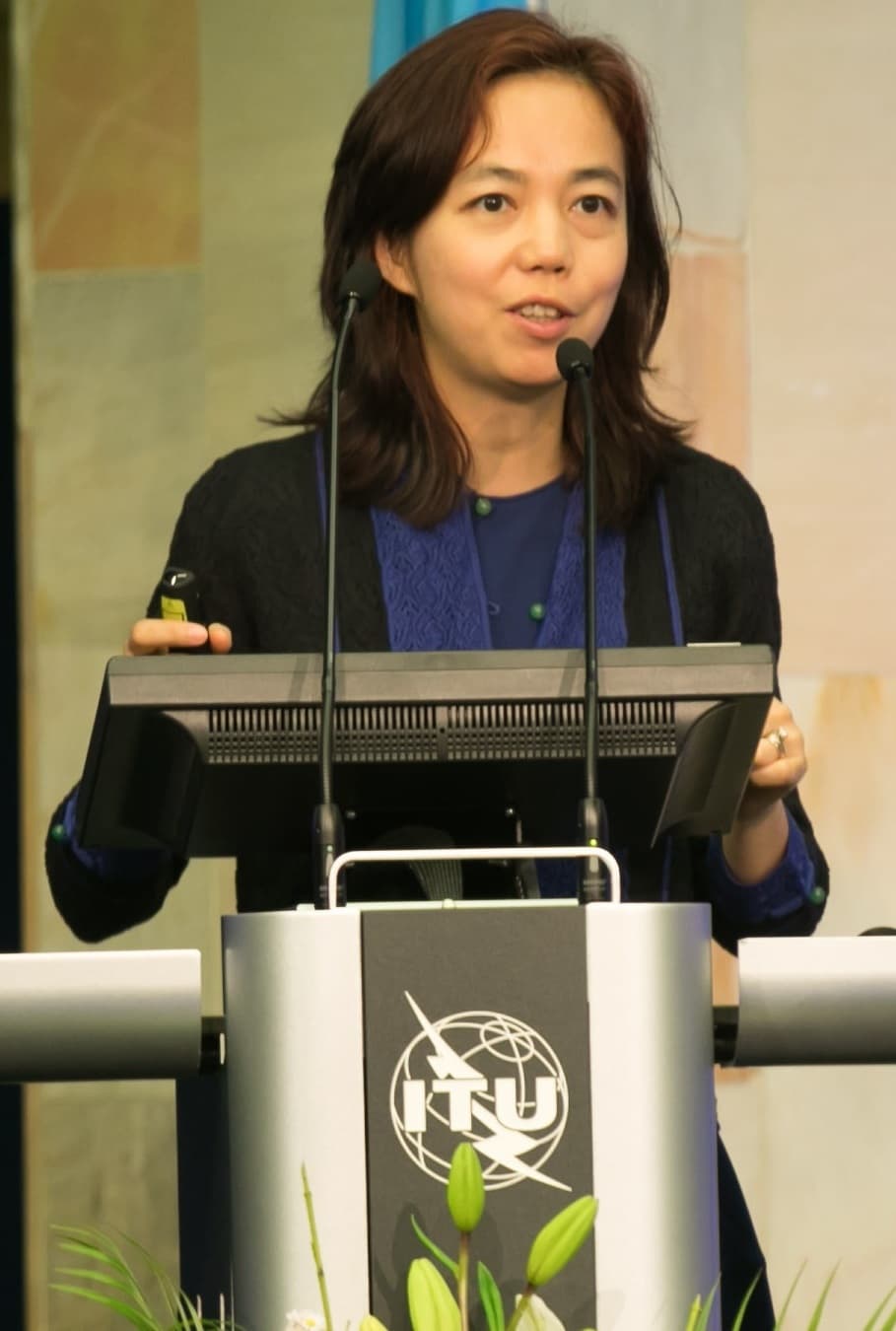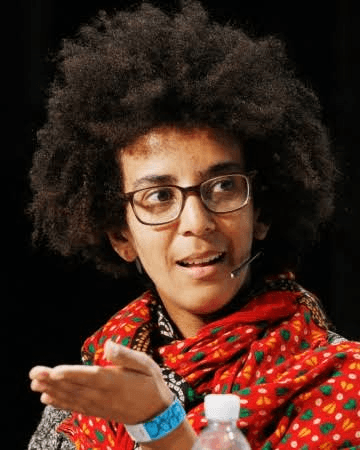
Timnit Gebru
Founder and Executive Director of DAIR
An AI researcher studying how datasets, institutional choices, and unequal power shape the behavior and consequences of automated systems.
Biography
Timnit Gebru is a computer scientist whose research examines both machine-learning systems and the conditions under which they are built. Born in Ethiopia, she later studied in the United States and earned her doctorate at Stanford University. Her technical background includes computer vision, which became a foundation for her work on the social consequences of AI.
With Joy Buolamwini, Gebru co-authored Gender Shades, a 2018 study of commercial gender-classification systems. The study measured differences in error rates across groups defined by skin type and gender, showing why aggregate accuracy can obscure unequal performance. It contributed concrete evidence to discussions of fairness in computer vision.
Gebru also co-authored Datasheets for Datasets, proposing systematic documentation of how datasets are assembled, what they contain, and how they should be used. She worked at Microsoft Research and later co-led Google’s ethical AI team. Her research connected technical evaluation with organizational practices that influence what evidence is collected and how risks are recognized.
In 2021, she founded the Distributed AI Research Institute, known as DAIR. Its work emphasizes independent, community-informed research on AI and its effects. Gebru also co-founded Black in AI, supporting the participation of Black researchers. Her contribution combines empirical studies, documentation practices, and institution building around whose experiences count in the design and evaluation of AI.
Notable contributions
Co-authored Gender Shades
With Joy Buolamwini, evaluated commercial gender classifiers and documented differences in error rates across groups defined by gender and skin type.
Co-authored Datasheets for Datasets
Proposed standardized dataset documentation covering collection, composition, intended use, and maintenance, helping make data-related limitations and decisions more visible.
Founded DAIR
Established an independent AI research institute in 2021 to study AI with attention to communities affected by technology and to support research outside dominant corporate priorities.
Career history
Co-lead of the Ethical AI team