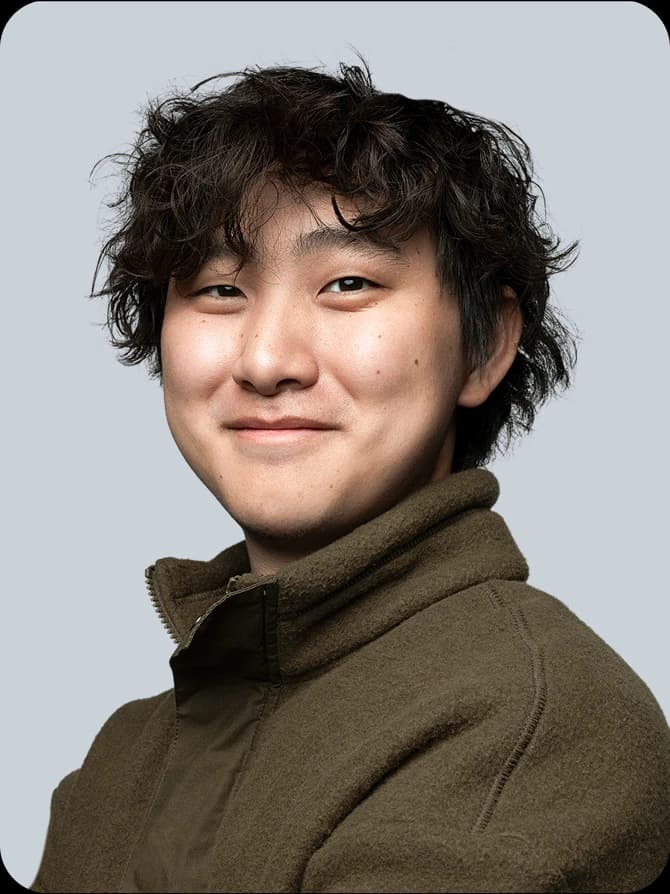
Yann LeCun
Executive Chair of AMI Labs; Professor at New York University
A pioneer of convolutional networks who continues to investigate learning from observation and models that can represent the world.
Biography
Yann LeCun is a computer scientist whose research helped establish convolutional neural networks as a practical approach to visual recognition. He trained in France, earning an engineering qualification at ESIEE and a doctorate at Université Pierre et Marie Curie. His early career included a postdoctoral period at the University of Toronto and research at Bell Labs.
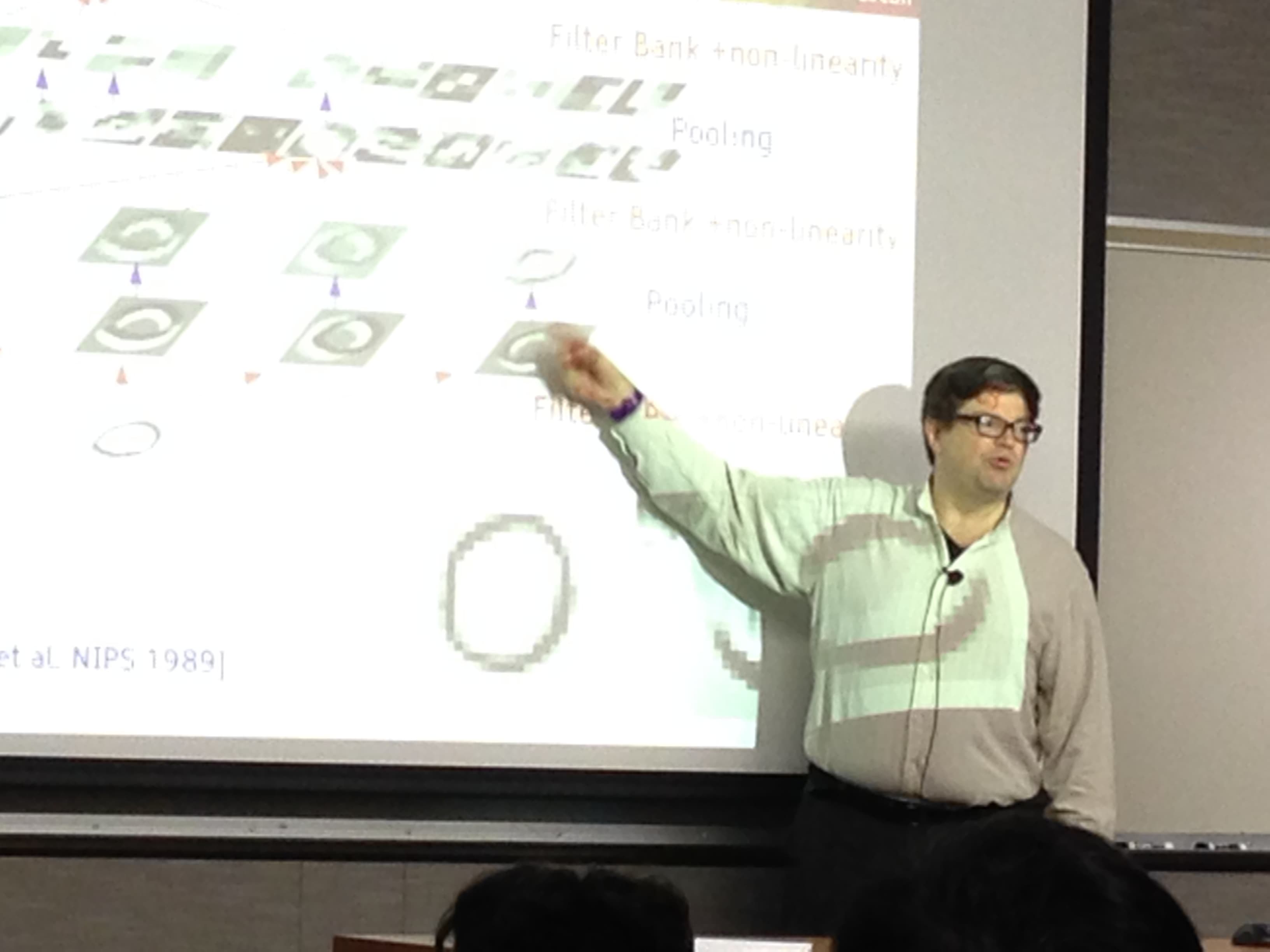
At Bell Labs, LeCun and collaborators developed neural-network systems for recognizing handwritten characters. Work on the LeNet family of models showed how convolutional structures and learned features could be used in deployed recognition systems. These ideas later became important components of the wider deep-learning approach to images and other structured data.
LeCun joined New York University in 2003 and later helped establish Facebook’s AI research organization, becoming its founding director in 2013 and subsequently chief AI scientist. In 2018, he shared the ACM A. M. Turing Award with Geoffrey Hinton and Yoshua Bengio. His career has connected university research with large-scale industrial research programs.
His later research interests include self-supervised learning and architectures that learn representations of the world from observation. After leaving Meta in 2025, he became associated with AMI Labs as executive chairman. That direction continues his focus on systems that can learn useful internal models, extending beyond the supervised visual-recognition problems with which he first became widely identified.
Notable contributions
Developed convolutional networks for document recognition
Advanced convolutional neural networks and systems for reading handwritten characters, providing practical applications of neural learning in document processing.
Established Facebook AI Research
Joined Facebook in 2013 and established its AI research effort, helping expand industrial research in deep learning and related learning methods.
Shared the 2018 ACM Turing Award
Recognized alongside Geoffrey Hinton and Yoshua Bengio for contributions that made deep neural networks an important component of computing.
Career history
Chief AI Scientist